

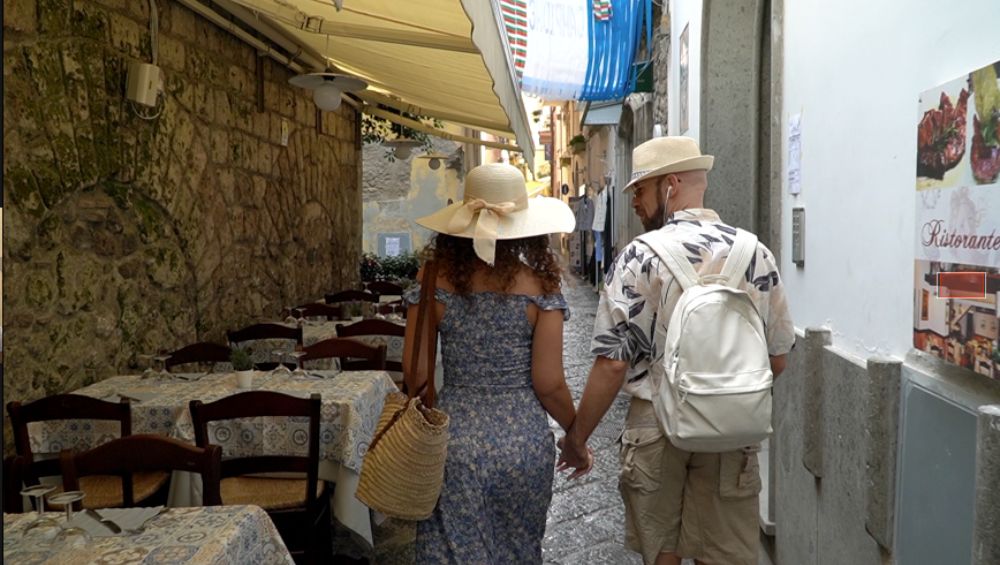
Sorrento has a real food culture — not a museum piece, not a performance for tourists, but a living set of traditions that have been shaped by the landscape, the sea, the lemon groves, and the proximity to Naples. If you are going to eat well here, you need to know what to order, where to find it, and what to ignore.
Gnocchi alla Sorrentina — The Dish the Town Invented
The signature dish of Sorrento is gnocchi alla Sorrentina: potato gnocchi baked in a terracotta pot with tomato sauce, fresh basil, and mozzarella melted on top. It is a simple dish. It is also one of the great pasta dishes of Campania, and the version you eat in a good restaurant in Sorrento — where the gnocchi are made fresh and the mozzarella is buffalo or fior di latte from the local dairy farms — is a different thing from any imitation you might have eaten elsewhere.
Where to find it properly: look for restaurants off the main tourist route, with handwritten menus and no photographs of the food. The smaller trattorias in the streets behind Corso Italia tend to do it better than the places with the sea view and the English translation.
The Lemon — Not Just a Fruit, an Entire Food Culture
The Sorrento IGP lemon — Limone di Sorrento, to give it its proper designation — is protected by European law and grown on terraced hillsides above the town in a system of pergolas made from chestnut poles and dark netting that has been used for centuries. The lemons are thick-skinned, intensely aromatic, and so rich in essential oils that peeling one perfumes an entire room.
The lemon is present in Sorrento’s food culture in ways that go far beyond limoncello. Spaghetti al limone — pasta dressed with lemon juice, lemon-scented olive oil, butter, parsley, and sometimes a grating of lemon zest — is one of the most elegant and under-appreciated dishes of the Sorrentine kitchen. Lemon-scented olive oil appears in salads, on bruschetta, over fresh fish. Lemon jam is served with local cheeses, particularly caciocavallo Sorrentino, the stretched-curd cheese made on the peninsula.
The lemon cream — crema di limone — appears in pastries, filled biscuits, cakes, and as a filling in the chocolate truffles that Limonoro makes in its laboratory behind the shop.
Limoncello — The Local Digestivo
Limoncello is drunk at the end of a meal in Sorrento the way grappa is drunk in the north: cold, in a small glass, as a signal that the evening is complete. The version made here, from IGP lemons with their peel hand-removed and infused in alcohol by the cold-infusion method, is sharper and more aromatic than the commercially produced liqueur you might have tried elsewhere. It is not sweet. It is lemon, intensely distilled.
The first licensed limoncello producer in Sorrento — Limonoro, which received UTIF licence number 1 — opened on Via San Cesareo in the 1980s, when Antonino D’Esposito realised that the limoncello his family had been making at home for generations was something worth sharing properly. Walk in any day and taste the current production before you decide what to bring home.
What Else to Eat in Sorrento
- Delizia al limone — a soft sponge dome filled with lemon cream, glazed with lemon icing. The local pastry shops make them fresh each morning.
- Babà al limoncello — the Neapolitan rum baba reinvented with limoncello syrup. Rich, sticky, perfumed.
- Caciocavallo Sorrentino — a stretched-curd cheese from the peninsula’s dairy farms, best eaten with lemon jam.
- Fresh fish from Marina Grande or Marina della Lobra — simply grilled, with lemon-scented olive oil.
- Pizza — you are forty minutes from Naples. The pizza is taken seriously.
What to Skip
The tourist menus near Piazza Tasso, which feature every Italian dish simultaneously and do none of them particularly well. The limoncello sold in shops near the ferry terminal that does not specify its origin or its production method. The pre-packaged lemon products that look pretty and taste of sugar.
Sorrento’s food identity is real and worth seeking out. The imitations are everywhere. The real thing is findable if you know where to look — and we are happy to point you in the right direction from Via San Cesareo 49.
At Limonoro, we make limoncello, crema di limone, lemon-infused olive oil, lemon biscuits, and lemon chocolate. Come in and taste. Everything we sell, we make here, on the premises, the traditional way.
This is the question that fills the travel forums every spring and summer, and most of the answers are unsatisfying because they try too hard to be neutral. Here is a less neutral version, written by people who know the Sorrentine Peninsula well.
The short answer: Sorrento and the Amalfi Coast are not really competitors. They are different things. But if you are trying to choose where to base yourself, the choice matters — and it is clearer than most guides make it sound.